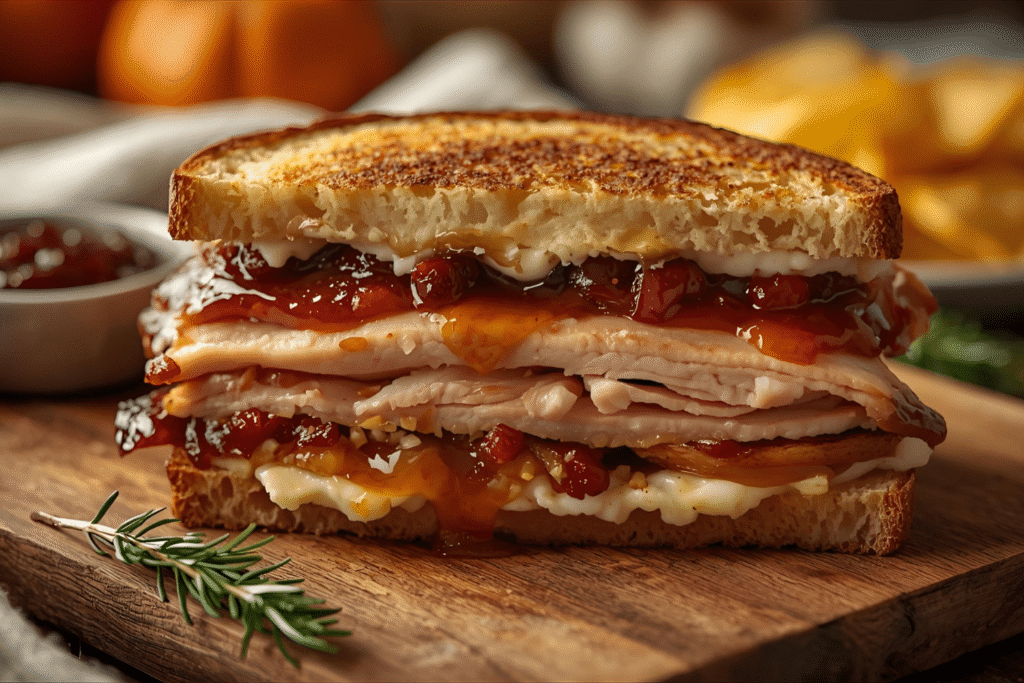
There is something magical that happens the day after Thanksgiving. The house is quieter, the fridge is full, and suddenly that simple combination of turkey, stuffing, cranberry sauce, and gravy becomes the most comforting sandwich you will eat all year. A good thanksgiving sandwich is warm, cozy, a little messy, and honestly better than the main holiday dinner for many people.
This sandwich captures every flavor of the season in one bite. The juicy turkey, the sweet tang of cranberry sauce, the soft herb packed stuffing, and the creamy richness of gravy come together like a little holiday celebration between two slices of bread. If autumn had a flavor, this would be it.
Why the thanksgiving sandwich is the ultimate leftover meal
Post holiday leftovers are iconic. In fact, studies show that nearly 79 percent of people look forward to Thanksgiving leftovers more than the actual meal. And out of all leftover dishes, the thanksgiving sandwich is consistently voted the number one favorite.
Why?
Because it is:
- Quick
- Budget friendly
- Comforting
- Customizable
- Filling
- And incredibly nostalgic
It takes the best parts of your feast and repurposes them into something warm, cozy, and deeply satisfying. Plus, you can personalize each layer to fit your cravings.
Ingredients you will need
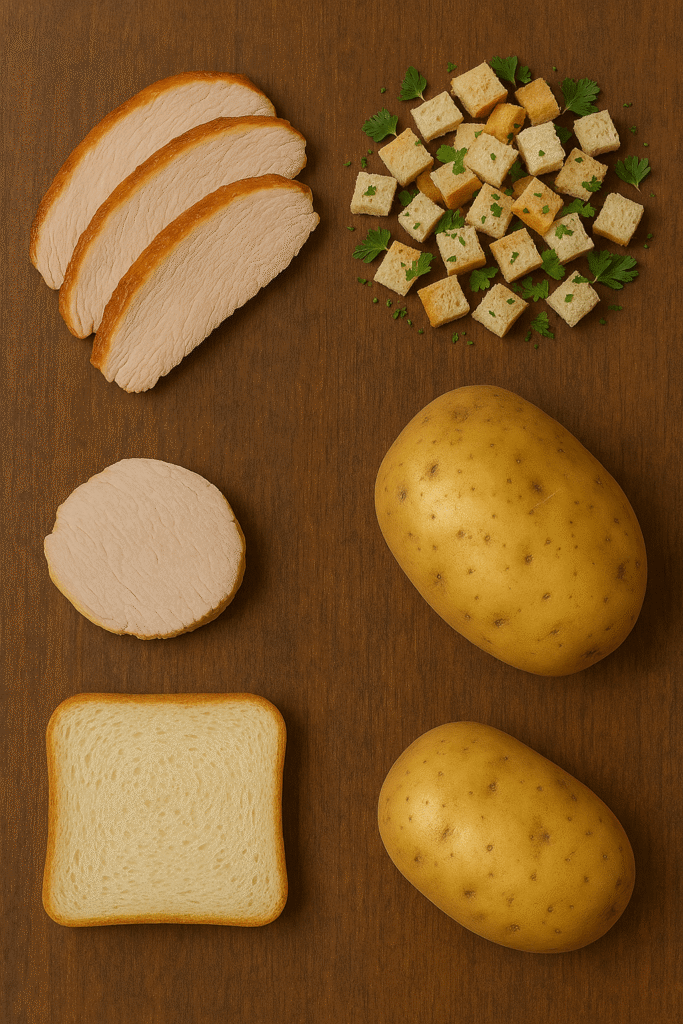
One of the best things about a thanksgiving sandwich is how flexible it is. You can follow the classic version or build something totally unique.
Bread options
Choose bread that holds up well, because this sandwich can get juicy. Some great options include:
- Sourdough
- Brioche
- Ciabatta rolls
- Multigrain
- Thick white sandwich bread
- Focaccia slices
Pro Tip: Toasting the bread lightly prevents sogginess.
Meat and mains
- Sliced turkey (white, dark, or both)
- Stuffing
- Mashed potatoes
- Gravy
You do not need all of these, but layering a few adds amazing texture and flavor.
Toppings and spreads
This is where your thanksgiving sandwich gets personality.
- Cranberry sauce for sweetness
- Mayo for creaminess
- Dijon mustard for tang
- Butter for toasting
- Leftover gravy as a dip
Optional extras
Feel free to elevate your sandwich with:
- Caramelized onions
- Spinach or arugula
- Pickles
- Cheese slices
- Roasted Brussels sprouts
- Sweet potato mash
A thanksgiving sandwich is all about balance, and these extras can take it from good to unforgettable.
Step by step instructions
Step 1 – Choose your bread
The bread you choose sets the entire foundation for your thanksgiving sandwich, so this is not the moment to grab a flimsy slice. You want something sturdy enough to hold warm layers like turkey, stuffing, and gravy without getting soggy.
Sourdough is one of the most popular choices because it has a crisp crust and tangy flavor that pairs perfectly with savory holiday ingredients. Brioche is softer and slightly sweet, which complements cranberry sauce beautifully. Focaccia works if you want a gourmet twist, and its olive oil base adds a subtle richness. Thick cut white or multigrain slices are classic, reliable options that handle generous fillings well.
If you are craving something ultra soft, potato bread is one of the best choices. It is plush, slightly sweet, and strong enough to hold heavier fillings without falling apart.
Once you pick your bread, lightly toast it. A gentle toast adds structure without making the slices too crunchy. You want just enough crispness to create a barrier that helps keep the inside layers warm, creamy, and flavorful without soaking through.
Pro Tip: If you really want to prevent sogginess, toast both sides of each slice for an even sturdier base.
Step 2 – Warm your turkey
Turkey is the star of any thanksgiving sandwich, so reheating it the right way matters. Turkey dries out easily, so the key is to warm it slowly and gently. Place your slices in a skillet over low heat and add a splash of broth, gravy, or even a small pat of butter. This adds moisture back into the meat and restores that delicious freshly carved flavor.
Cover the skillet for a minute to help the steam circulate. Once the turkey is warmed through, you will notice the texture becomes softer, more tender, and more aromatic. This also enhances the flavors of any herbs used during roasting, making your sandwich even tastier.
If you prefer a cold sandwich, using chilled turkey slices is totally fine. Cold turkey gives your sandwich a firmer texture and a refreshing balance, especially when paired with creamy spreads and tangy cranberry sauce. Both options work, so choose based on your mood.
Pro Tip: Shred a small amount of turkey and mix it with warm gravy before layering. This creates juicy pockets of flavor throughout the sandwich.
Step 3 – Layer your thanksgiving sandwich
This is where the magic happens. The order of the layers will make or break your thanksgiving sandwich, so building them carefully creates that perfect bite.
Start by spreading something thin on the bread to act as a moisture barrier. Mayo, butter, or mustard all work well. The spread keeps the bread crisp and adds a creamy contrast to the more textured ingredients.
Now build your layers in this order for maximum stability and flavor:
• Turkey: Start with turkey as the base layer. It holds the structure well and anchors the sandwich.
• Stuffing: Add a layer of stuffing. Press it lightly so it stays in place. This adds herbs, texture, and that nostalgic holiday flavor.
• Cranberry sauce: Spread or spoon cranberry sauce over the stuffing. The sweetness cuts through the savory layers and brings balance.
• Mashed potatoes (optional): If you enjoy a thicker, more indulgent thanksgiving sandwich, add a thin layer of mashed potatoes. It adds creaminess and makes everything feel cozy and warm.
• Warm gravy: Drizzle a little gravy on top or save it for dipping. Too much gravy on the sandwich itself can make it slippery, so drizzle lightly for just the right amount of flavor.
Add each layer gently and press just enough to hold it together. Avoid pressing too hard, or the fillings may squish out.
Pro Tip: Leave cranberry sauce toward the top layers since it spreads easily. Keeping it away from the bread helps prevent sogginess.
Step 4 – Add crunch and texture
A great thanksgiving sandwich needs more than just soft layers. Adding crunch gives you that satisfying bite that makes the sandwich feel rounded and complete.
Try adding:
• Crispy onions for a sweet, crunchy topping
• Toasted stuffing edges if you like that crispy corner texture
• Lettuce leaves for freshness and brightness
• Potato chips for the ultimate crunch factor
Potato chips inside a sandwich may sound wild, but they add instant texture and a fun, nostalgic twist. Once everything is stacked, you will be able to feel the difference in every bite as soft turkey meets crunchy layers.
Pro Tip: If you love variety in your bite, mix two crunchy elements, like chips and crispy onions.
Step 5 – Toast or press if desired
At this stage, you decide whether you want your thanksgiving sandwich warm and melty or cool and fresh.
For a warm version, place your sandwich in a panini press or cook it in a skillet with a small pat of butter. Press gently with a spatula to help the layers fuse together. Warming the sandwich slightly makes the stuffing aromatic, softens the turkey, melts any cheese if you added some, and helps the cranberry sauce seep into the other layers.
Cook for 2 to 4 minutes, or until the bread is golden and slightly crisp on the outside.
If you prefer the cold style, skip the heat completely. A cold thanksgiving sandwich feels refreshing and lets you taste the individual layers more distinctly.
Pro Tip: Even if you are making a warm sandwich, do not press too hard. A gentle press keeps everything together without squeezing out your fillings.
The secret formula for a perfect thanksgiving sandwich
What separates an average thanksgiving sandwich from one that feels restaurant level? Three things: balance, structure, and contrast.
Balance:
The biggest mistake is too much of one ingredient. Use equal layers of turkey, stuffing, and cranberry.
Structure:
Sturdy bread + strategic layering = no sogginess.
Contrast:
Combine creamy, crunchy, and sweet elements for a satisfying bite.
Pro Tip: Spread cranberry sauce on one slice and mayo on the other to get the perfect sweet plus creamy combination.
Variations worth trying
Classic thanksgiving sandwich
Turkey, stuffing, cranberry sauce, gravy, and toasted bread. Simple, nostalgic, and always perfect.
Cranberry turkey melt
Add cheese like provolone or mozzarella, then press until melty. The cranberry adds a sweet contrast to the creamy cheese.
Stuffing waffle thanksgiving sandwich
Press leftover stuffing in a waffle iron to make crispy stuffing waffles. Use them as the sandwich bread for a fun twist.
Healthy lighter version
Use whole grain bread, extra greens, lean turkey slices, and skip the heavier potatoes or gravy. Still delicious but lighter.
What to serve with your thanksgiving sandwich
Pair your sandwich with:
- Sweet potato fries
- Dill pickles
- A light salad
- Tomato soup
- Chips
- Roasted vegetables
If you want flavor inspiration for pairing soups or sides, sites like The Kitchn offer helpful guides (1 external link used).
Make ahead tips and storage
- Turkey: lasts up to 4 days in the fridge
- Cranberry sauce: lasts up to 2 weeks
- Stuffing: lasts 3 to 4 days
- Bread: best stored in an airtight container
To make your thanksgiving sandwich in advance, keep each ingredient separate to avoid sogginess. Assemble right before eating.
You can prep individual portions of turkey and stuffing and freeze them for up to 2 months. Reheat, assemble, and enjoy a thanksgiving sandwich any time of the year.
Nutrition breakdown
Depending on ingredients, one thanksgiving sandwich usually contains:
- 400 to 650 calories
- 20 to 35 grams of protein
- 40 to 70 grams of carbs
- 10 to 20 grams of fat
This varies widely depending on bread, add ons, and spreads.
FAQs
Yes. Use roasted vegetables, cranberry sauce, stuffing, and mashed potatoes. Add gravy made with veggie stock.
Sourdough and brioche are the top choices because they hold up well and add flavor.
No. Cold turkey works great, but warming it makes the sandwich richer and juicier.
Only for a short time. It is best eaten fresh to avoid soggy bread.
Absolutely. Rotisserie chicken makes a delicious alternative.
Final thoughts
A thanksgiving sandwich is more than a leftover meal. It is comfort, simplicity, and seasonal flavor all wrapped up in one warm, cozy bite. Whether you love yours classic, melty, crunchy, or lighter, this sandwich is the perfect way to relive the holiday magic the next day.
It is easy to make, customizable, and guaranteed to make everyone in your home sneak back into the kitchen for seconds.
1
serving5
minutes5
minutes700
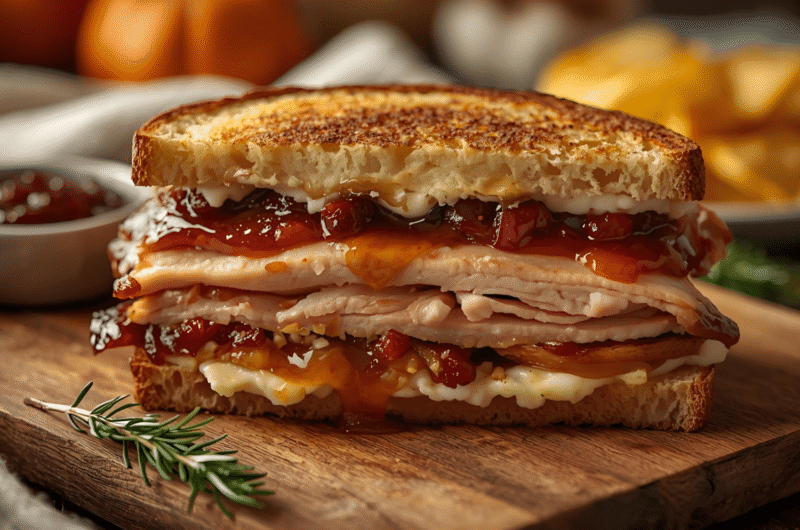
kcalA warm and hearty Thanksgiving Sandwich layered with sliced turkey, stuffing, mashed potatoes, tart cranberry sauce and rich gravy, all pressed between toasted bread. It’s the perfect way to enjoy holiday leftovers in one comforting bite.
Ingredients
Sliced turkey (white meat, dark meat, or both)
Bread (thick-cut, such as sourdough or artisan white)
Stuffing
Mashed potatoes
Cranberry sauce
Gravy
Butter (for toasting the bread)
Salt and pepper (optional)
Directions
- Prep the bread
Butter one side of each slice of bread. - Warm the fillings
Heat the turkey, stuffing, mashed potatoes and gravy until warm. This helps the sandwich melt together better. - Assemble the sandwich
Place one slice of bread butter-side down. Layer mashed potatoes, turkey, stuffing and cranberry sauce. Drizzle with warm gravy. - Seal the top
Place the second slice of bread on top, butter-side up. - Grill the sandwich
Cook in a skillet or panini press over medium heat for 3–4 minutes per side, until the bread is golden and crisp and the inside is heated through. - Serve
Slice in half and serve with extra gravy for dipping.