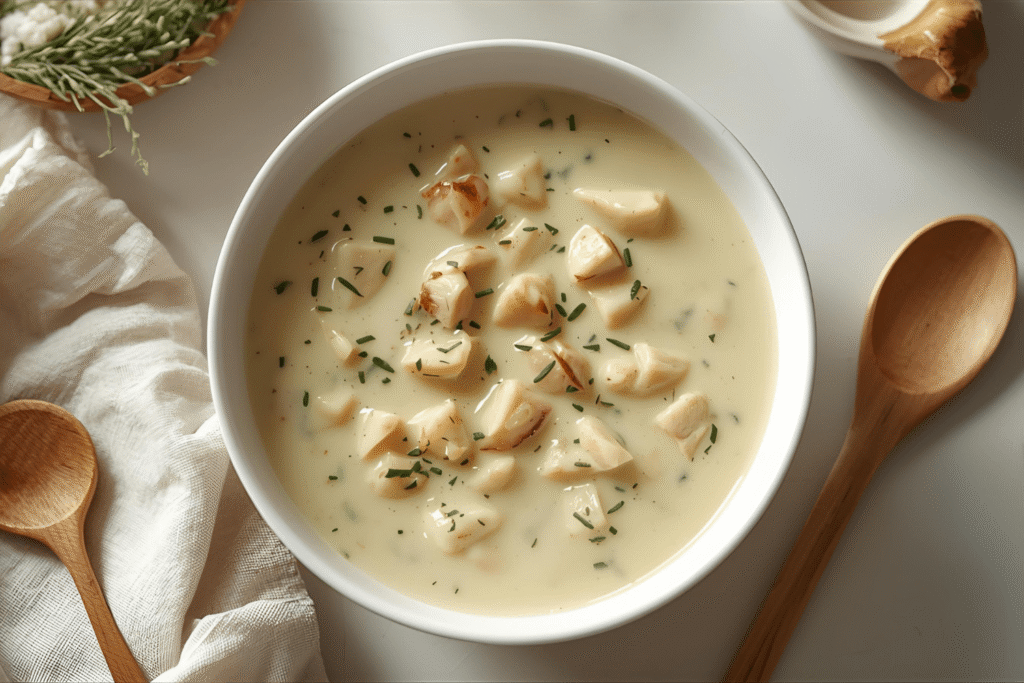
If you have ever stood in the soup aisle flipping cans over, squinting at labels, you are not alone. Over 74 percent of store-bought cream soups contain wheat-based thickeners, which makes classic cream of chicken soup off-limits for many people following a gluten free diet.
The good news is this, learning how to make gluten free cream of chicken soup at home is surprisingly easy, cheaper than buying specialty products, and tastes dramatically better. You get full control over the ingredients, the texture, and the seasoning, without sacrificing that cozy, creamy comfort food vibe.
This recipe works perfectly as a standalone soup or as a 1:1 replacement in casseroles, pot pies, and slow cooker recipes.
Why homemade gluten free cream of chicken soup is better
Making it from scratch is not just about avoiding gluten. It is about better nutrition, better flavor, and better flexibility.
Here is why homemade wins every time:
- Store-bought gluten free versions can cost 2–3 times more than regular canned soup
- Many packaged soups contain gums, stabilizers, and excess sodium
- Homemade versions typically contain 40–60 percent less sodium per serving
- You control the thickness, from pourable to ultra-rich
For anyone cooking for family, meal prepping, or managing food sensitivities, this alone makes learning how to make gluten free cream of chicken soup worth it.
Ingredients you will need
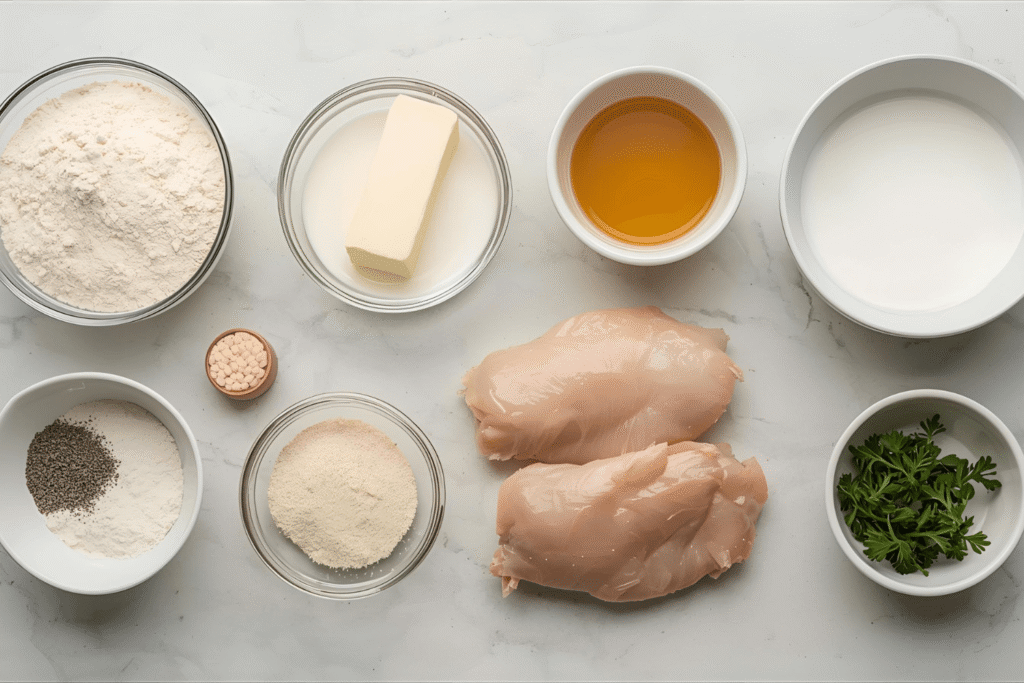
This recipe keeps things simple and pantry-friendly. No specialty flours required.
Core ingredients
- Butter or olive oil
- Gluten free flour (rice flour, gluten free all-purpose, or cornstarch)
- Chicken broth or stock
- Milk or dairy-free milk
- Cooked chicken, finely chopped
- Onion or garlic (optional but recommended)
- Salt and pepper
Optional flavor boosters
- Poultry seasoning or thyme
- Onion powder or garlic powder
- A splash of cream for extra richness
Bold tip: Using high-quality chicken stock makes a noticeable difference in flavor. If your stock tastes bland, your soup will too.
Best gluten free thickeners for cream soup
One of the biggest concerns when learning how to make gluten free cream of chicken soup is texture. Traditional recipes rely on wheat flour roux, but gluten free alternatives work just as well when used correctly.
Gluten free flour blends
Gluten free all-purpose flour blends work well for a classic roux-style base. Look for blends that contain rice flour and starches rather than bean flours for a neutral taste.
Cornstarch
Cornstarch creates a silky texture and is naturally gluten free. It thickens quickly, so it is ideal if you want a faster method.
Rice flour
Rice flour mimics wheat flour surprisingly well and produces a smooth, creamy consistency without grittiness when whisked properly.
Pro Tip: If you are sensitive to corn, rice flour is your best bet for consistent thickening.
How to make gluten free cream of chicken soup step by step
This method follows the classic cream soup technique, just without the wheat flour. The key difference with gluten free cooking is patience and control. When you slow things down and whisk properly, the result is just as smooth, rich, and comforting as the traditional version.
Step 1 – Create the base
Start by placing a medium saucepan over medium heat. Add butter or olive oil and allow it to fully melt and coat the bottom of the pan.
If you are using onion or garlic, add it now. Cook gently for 2–3 minutes, stirring often, until softened and fragrant. You are not trying to brown it. Soft and translucent is the goal, as this builds flavor without overpowering the soup.
Next, sprinkle in your gluten free flour while whisking continuously. This step forms the base of your soup and replaces the traditional roux.
Cook the flour and fat mixture for 1–2 minutes, whisking the entire time. This is essential for:
- Removing any raw flour taste
- Preventing a starchy or gritty texture
- Creating a smooth, stable thickener
Pro Tip: Keep the heat moderate here. Too hot and the flour can clump or scorch, which affects both texture and flavor.
Step 2 – Slowly add the liquid
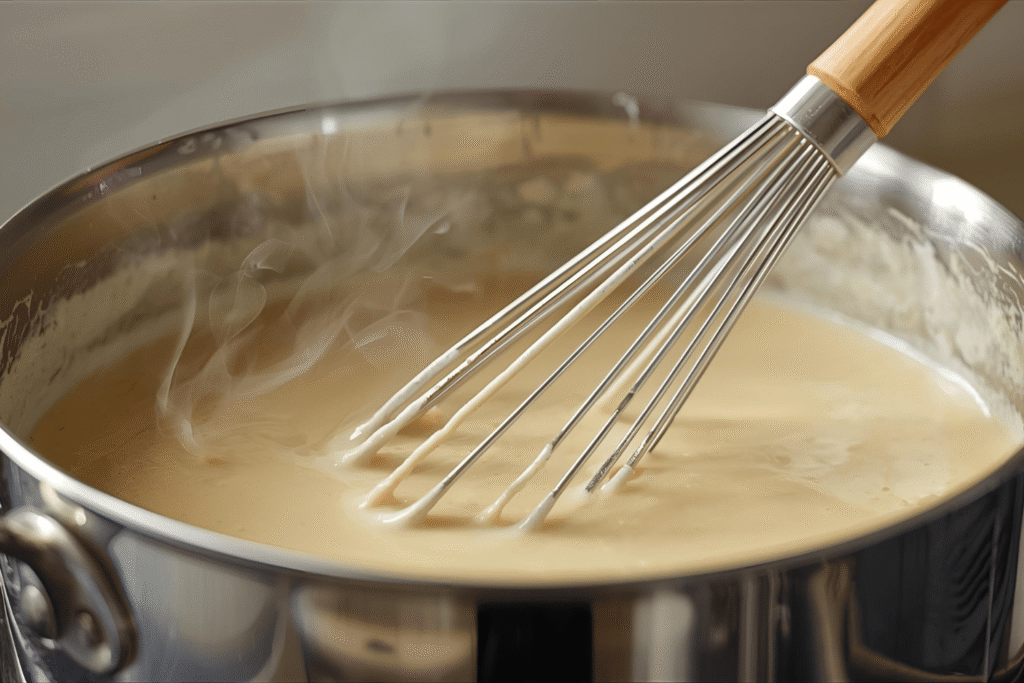
Once your base is smooth, begin adding the chicken broth very gradually. Pour in just a small amount at first while whisking constantly until fully incorporated. Then continue adding the broth in stages.
This slow process allows the gluten free flour to hydrate evenly and prevents lumps from forming.
After all the broth is incorporated and the mixture looks smooth and slightly thickened, slowly pour in the milk. Continue whisking until the soup starts to resemble a thin gravy.
At this stage, the soup may not look very thick yet. That is completely normal.
Bold reminder: Slow pouring is the secret to lump-free gluten free soup.
Allow the mixture to cook gently for 3–5 minutes, whisking occasionally, until it begins to thicken and coat the back of a spoon.
Step 3 – Add chicken and seasoning
Once the soup has thickened slightly, stir in the cooked chicken. Finely chopped or shredded chicken works best, as it distributes evenly and gives a better texture.
Season with salt and pepper, then add any herbs or spices you are using, such as thyme, poultry seasoning, or garlic powder.
Reduce the heat to low and let the soup simmer gently for 5–10 minutes. This allows the flavors to blend and the soup to thicken fully without separating.
Stir occasionally to prevent sticking and ensure even heating.
Taste the soup near the end and adjust seasoning as needed. Gluten free soups often need a final salt adjustment once fully thickened.
Pro Tip: If the soup thickens more than expected, add a splash of broth or milk to loosen it to your desired consistency.
By the end of this step, your gluten free cream of chicken soup should be smooth, creamy, and rich enough to use on its own or as a replacement in any recipe that calls for canned cream of chicken soup.
Texture troubleshooting tips
Even experienced cooks can run into texture issues. Here is how to fix them quickly.
- Too thick – Add more broth or milk, a little at a time
- Too thin – Simmer longer or add a cornstarch slurry
- Slightly grainy – Blend briefly with an immersion blender
Pro Tip: Gluten free soups thicken more as they cool, so aim slightly thinner than your final goal.
Dairy free and paleo variations
If you are avoiding dairy, this recipe still works beautifully.
Dairy free option
Replace butter with olive oil and use unsweetened almond milk, oat milk, or coconut milk. Coconut milk adds richness but a subtle flavor, so pair it with extra seasoning.
Paleo option
Use ghee instead of butter and arrowroot starch instead of flour. Full-fat coconut milk creates a luxuriously creamy texture.
According to recent dietary trend reports, over 65 percent of gluten free households also reduce dairy intake, making these swaps especially useful.
How to use gluten free cream of chicken soup in recipes
Once you know how to make gluten free cream of chicken soup, it becomes a kitchen staple.
Use it in:
- Chicken and rice casseroles
- Gluten free pot pies
- Slow cooker chicken recipes
- Creamy vegetable bakes
- Stuffing and gravy bases
It replaces canned soup cup-for-cup in most recipes.
Storage and freezing tips
Homemade gluten free soup stores well with a few simple guidelines.
- Refrigerate in an airtight container for up to 4 days
- Freeze for up to 3 months
- Thaw overnight in the fridge for best texture
When reheating, stir frequently and add a splash of liquid to restore creaminess.
Pro Tip: Freeze in silicone muffin trays for perfectly portioned servings.
Nutrition overview
Homemade gluten free cream of chicken soup is more than comfort food.
A typical homemade serving contains:
- 30–50 percent less sodium than canned versions
- Higher protein due to real chicken
- Fewer preservatives and additives
This makes it a smarter choice for everyday cooking, especially if you are feeding kids or meal prepping.
Common mistakes to avoid
Avoid these pitfalls for perfect results every time.
- Adding liquid too fast
- Cooking on high heat once thickened
- Skipping seasoning adjustments at the end
Gluten free cooking rewards patience and gentle heat.
FAQs
No. Most traditional cream of chicken soups contain wheat flour as a thickener, which makes them unsafe for gluten free diets.
Yes. This soup is ideal for meal prep and can be made up to 4 days in advance when refrigerated.
When made correctly, it tastes just as rich and creamy as traditional versions. Many people actually prefer the homemade flavor.
Absolutely. Rotisserie chicken saves time and adds extra flavor. Just be sure it is gluten free.
Whole milk creates the creamiest texture, but dairy free options like oat milk or coconut milk also work well.
Final thoughts
Learning how to make gluten free cream of chicken soup is one of those kitchen skills that pays off again and again. It saves money, avoids hidden gluten, and elevates everything from weeknight dinners to holiday casseroles.
Once you try it homemade, canned soup will feel like a compromise you no longer need to make.
Learning how to make gluten free cream of chicken soup also gives you confidence in the kitchen. Instead of relying on labels or specialty products, you know exactly what is going into your food and how to adjust it to your taste. Whether you prefer it extra thick for casseroles, lighter for soups, or adapted for dairy free needs, this one recipe becomes a flexible base you can return to whenever comfort food is calling.