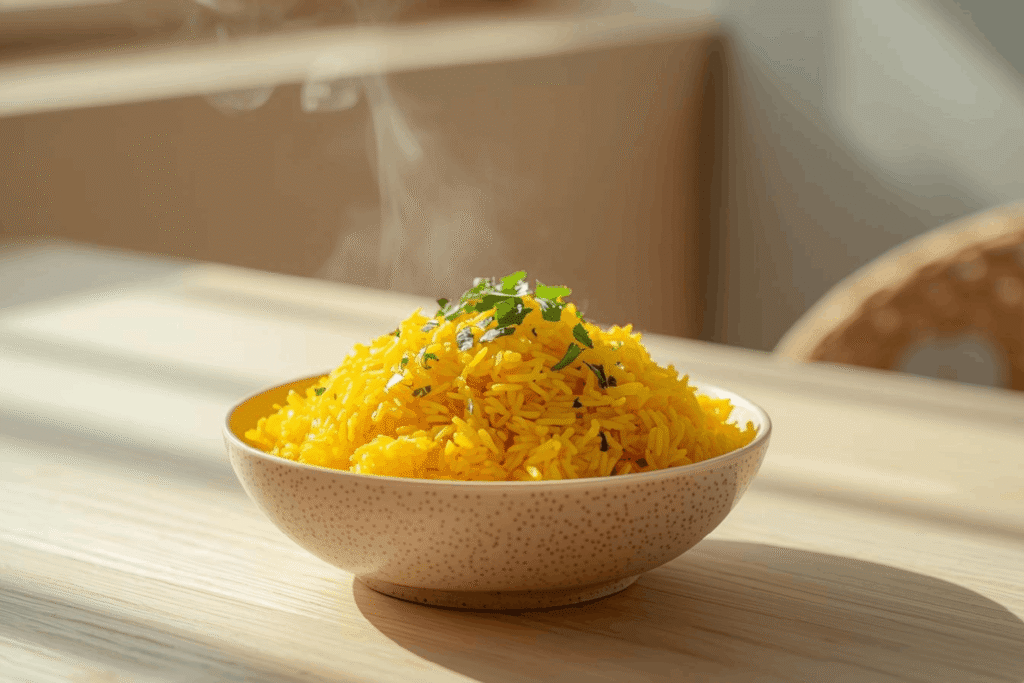
If you’ve ever opened your cupboard, spotted a bag of plain white rice, and felt instantly uninspired, you’re not alone. White rice is reliable, cheap, and versatile, but let’s be honest, it can feel boring fast.
The good news? You can turn basic white rice into beautiful, flavorful yellow rice in under 30 minutes using spices you probably already have in your kitchen. No fancy equipment, no complicated techniques, and no hard-to-find ingredients.
In this guide, you’ll learn exactly how to make yellow rice from white rice using turmeric, saffron, or curry powder, plus easy flavor upgrades, cooking variations, and storage tips so your rice turns out fluffy and golden every time.
If you’re cooking for yourself, your partner, or prepping lunches for the week, this recipe is a simple way to make everyday meals feel a little more exciting.
Why turn white rice into yellow rice?
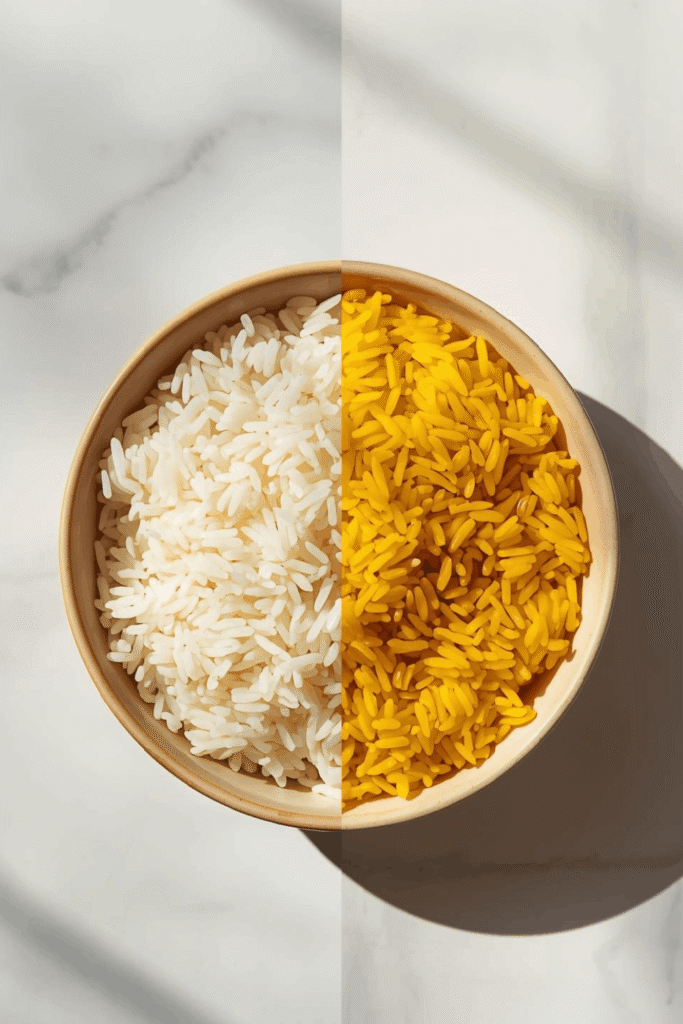
Yellow rice isn’t just pretty. It adds flavor, aroma, and a sense of variety to meals without adding much cost or effort.
Here’s why so many home cooks love it:
- It instantly upgrades the look of your plate. Bright golden rice makes meals feel restaurant-worthy and more satisfying visually.
- It adds subtle warmth and depth of flavor without being spicy or heavy.
- It pairs with almost anything, chicken, fish, roasted vegetables, curries, bowls, wraps, and meal prep boxes.
- It’s budget-friendly. You’re elevating one of the cheapest pantry staples into something special.
- It offers a small nutritional bonus when using turmeric, which contains curcumin, a compound studied for its antioxidant and anti-inflammatory properties.
Globally, rice supplies over 20% of daily calorie intake for billions of people, making it one of the most widely consumed foods on earth. Simple upgrades like seasoning and color help prevent food boredom while keeping meals affordable and accessible.
What gives yellow rice its color?
Yellow rice gets its signature golden color from spices. You can choose based on what you have on hand and the flavor profile you want.
Turmeric
Turmeric is the most common option and the easiest to find.
- Produces a bright yellow-orange color
- Has a mild earthy flavor that blends easily with savory dishes
- Very affordable and widely available
- Strong staining power, so be careful with light surfaces and fabrics
A little goes a long way. Too much turmeric can create bitterness and overpower the dish.
Curry powder
Curry powder is actually a blend of spices that often includes turmeric, coriander, cumin, and ginger.
- Creates a warm golden color
- Adds more complex flavor than plain turmeric
- Can be slightly spicy depending on the blend
This option is great if you want your rice to stand out more in bowls or curries.
Saffron
Saffron gives yellow rice a delicate golden hue and subtle floral aroma.
- Beautiful natural color
- Elegant, lightly sweet flavor
- More expensive, but only a small pinch is needed
Saffron is ideal for special occasions or when you want something a little luxurious.
Ingredients you’ll need
This recipe stays flexible so you can work with what’s already in your kitchen.
Base ingredients
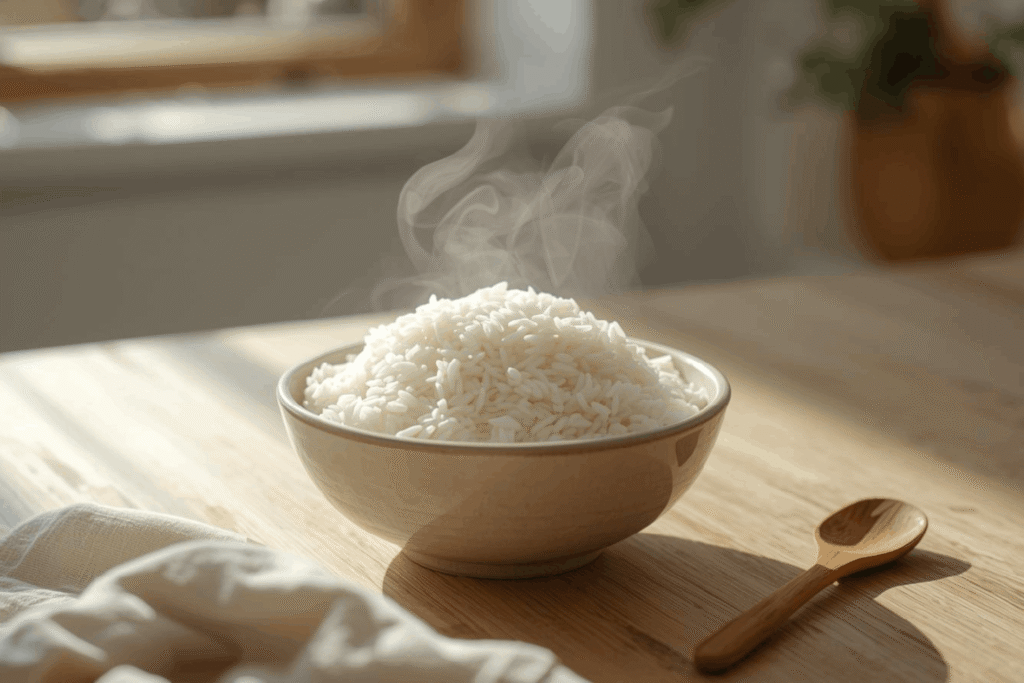
- 1 cup white rice (long-grain, jasmine, or basmati work best)
- 2 cups water or broth
- 1/2 teaspoon turmeric or 1 teaspoon curry powder or a small pinch of saffron
- 1/2 teaspoon salt (adjust to taste)
- 1 tablespoon oil or butter
Optional flavor boosters
- 1 clove garlic, minced
- 1/4 small onion, finely chopped
- Bay leaf
- Lemon zest
- Fresh herbs like parsley or cilantro
How to make yellow rice from white rice on the stovetop
This method gives the best texture and the most control over flavor.
Step 1 – Rinse the rice
Rinse your rice under cold water until the water runs mostly clear. This removes excess starch and helps prevent sticky or gummy rice.
Why it matters: rinsed rice consistently cooks fluffier and separates better than unrinsed rice.
Step 2 – Bloom the spices
Heat oil or butter in a saucepan over medium heat. Add your turmeric, curry powder, or saffron and stir for about 30 seconds until fragrant. This releases the spice oils and deepens both aroma and color.
If using garlic or onion, add them now and sauté until softened.
Pro Tip: Keep the heat moderate. Spices burn quickly and can become bitter if overheated.
Step 3 – Add rice and liquid
Add the rinsed rice and stir to coat it evenly in the spice mixture. Pour in the water or broth and add salt. Stir once, then bring to a gentle boil.
Step 4 – Simmer and steam
Reduce heat to low, cover the pot, and simmer for 15 to 18 minutes or until the liquid is absorbed. Remove from heat and let the rice rest, covered, for 5 minutes. Fluff gently with a fork before serving.
If the color looks lighter than you expected, dissolve a tiny pinch of turmeric in a teaspoon of warm water and fold it into the rice carefully.
How to make yellow rice in a rice cooker
If you love hands-off cooking or meal prepping, the rice cooker method is ideal.
- Rinse the rice as usual.
- Add rice, water or broth, salt, oil or butter, and your chosen spice directly into the rice cooker.
- Stir once to distribute color evenly.
- Cook using the standard white rice setting.
- Let rest for 5 minutes, then fluff.
Rice cookers maintain consistent temperature, which helps prevent burning and uneven cooking.
How to make yellow rice in the microwave
This method works well for small portions or quick lunches.
- Combine rice, water, salt, oil, and spice in a microwave-safe bowl.
- Cover loosely with a microwave lid or plate.
- Microwave on high for 10 minutes.
- Stir, then microwave another 5 to 8 minutes until liquid is absorbed.
- Let rest for 3 minutes, then fluff.
Pro Tip: Add an extra tablespoon or two of water when microwaving to prevent dryness.
Flavor variations to upgrade your yellow rice
Once you’ve mastered the base recipe, small tweaks can make it feel brand new every time.
Garlic butter yellow rice
Stir in a tablespoon of garlic butter at the end for rich, savory flavor.
Coconut yellow rice
Replace half of the water with coconut milk for subtle sweetness and creaminess.
Lemon herb yellow rice
Finish with lemon zest and fresh herbs for brightness and freshness.
Mediterranean spiced yellow rice
Add cumin, paprika, and a bay leaf while cooking for deeper warmth.
Common mistakes to avoid
Using too much turmeric
This can make the rice bitter and overly earthy.
Skipping the rinse
Unrinsed rice releases excess starch and becomes sticky.
Stirring while cooking
This breaks the grains and releases more starch.
Using too little liquid
Rice may cook unevenly and remain crunchy.
Forgetting salt
Seasoning is essential even when using flavorful spices.
How to store and reheat yellow rice
Storage
Store leftover rice in an airtight container in the fridge for up to 4 days. Cool it quickly before refrigerating for food safety.
Reheating
Add one to two tablespoons of water before reheating. Microwave covered for one to two minutes and fluff halfway through.
Rice dries out easily, so moisture makes a big difference.
What to serve with yellow rice
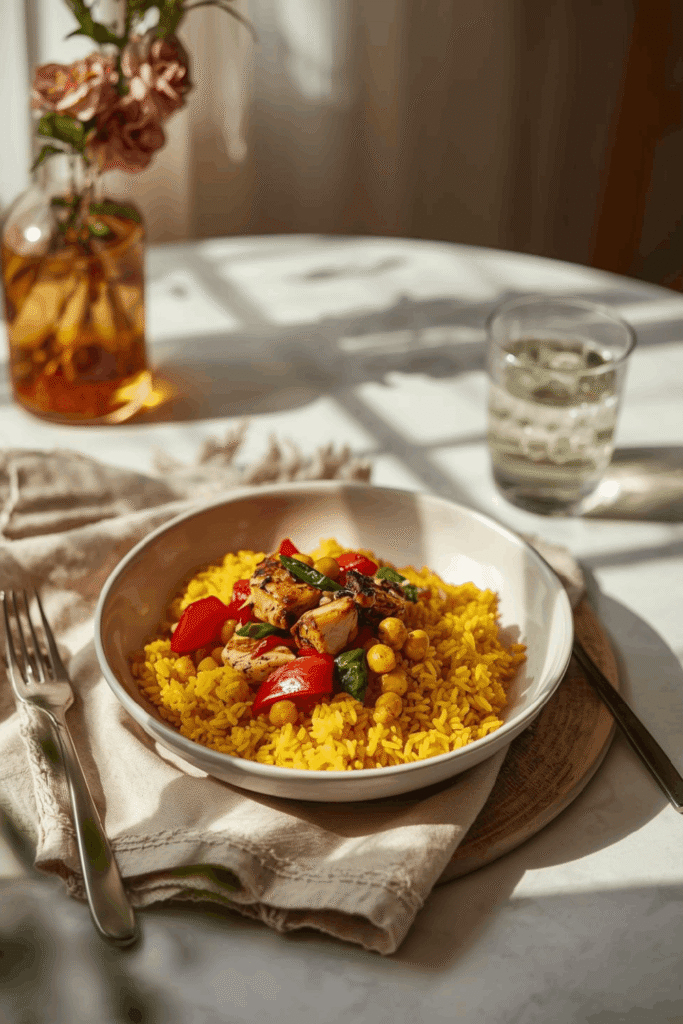
Yellow rice pairs beautifully with both simple and bold dishes.
Protein ideas:
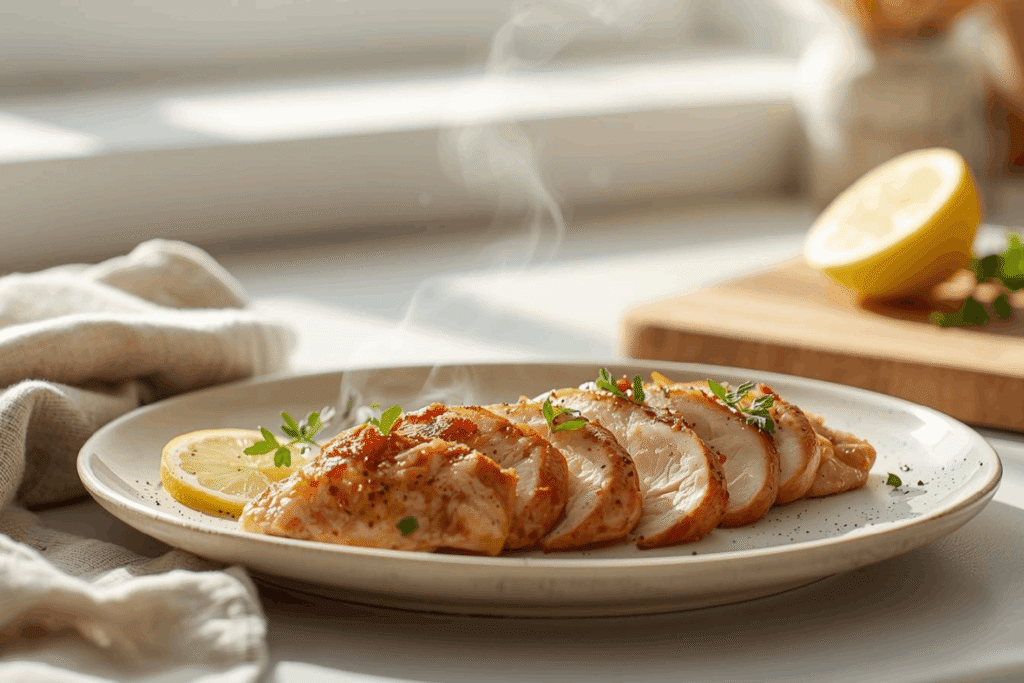
- Grilled chicken or rotisserie chicken
- Salmon or white fish
- Shrimp
- Tofu or chickpeas
Vegetable sides:
- Roasted broccoli or cauliflower
- Grilled zucchini
- Cucumber yogurt salad
- Mixed roasted vegetables
Quick bowl idea:
- Yellow rice
- Roasted vegetables
- Protein of choice
- Yogurt or tahini drizzle
Balanced bowls like this typically land around 450 to 550 calories depending on toppings and portion size.
Nutrition and health notes
One cup of cooked yellow rice contains roughly:
- 200 to 220 calories
- 44g carbohydrates
- 4g protein
- 2 to 4g fat depending on oil used
Turmeric adds trace antioxidants but shouldn’t be treated as a health supplement. The biggest health impact comes from balanced portions and pairing rice with protein and fiber.
FAQs
Yes. Curry powder or saffron work well and offer different flavor profiles.
This usually happens when too much turmeric is used or the spice burns during blooming.
Yes, but cooking time and liquid will increase significantly.
It can fit into a balanced diet when portion sizes are controlled and paired with protein and vegetables.
Yes. Freeze in airtight containers for up to two months and reheat with added moisture.
It can stain plastic and light surfaces. Stainless steel cleans more easily.
Final thoughts
Learning how to make yellow rice from white rice is one of those small kitchen skills that pays off over and over again. With just one spice and a little heat, plain rice transforms into something colorful, flavorful, and genuinely exciting to eat.
It’s also incredibly flexible. You can keep it simple for weeknight dinners, dress it up with saffron for guests, or turn it into a cozy meal-prep base for bowls and leftovers. Once you’ve made it a few times, you’ll start adjusting the spices and add-ins instinctively to match whatever you’re cooking that day.
If you’re trying to eat more home-cooked meals, save money, or just make your plate look more appealing, this is an easy win. No complicated techniques, no expensive ingredients, and no wasted time.