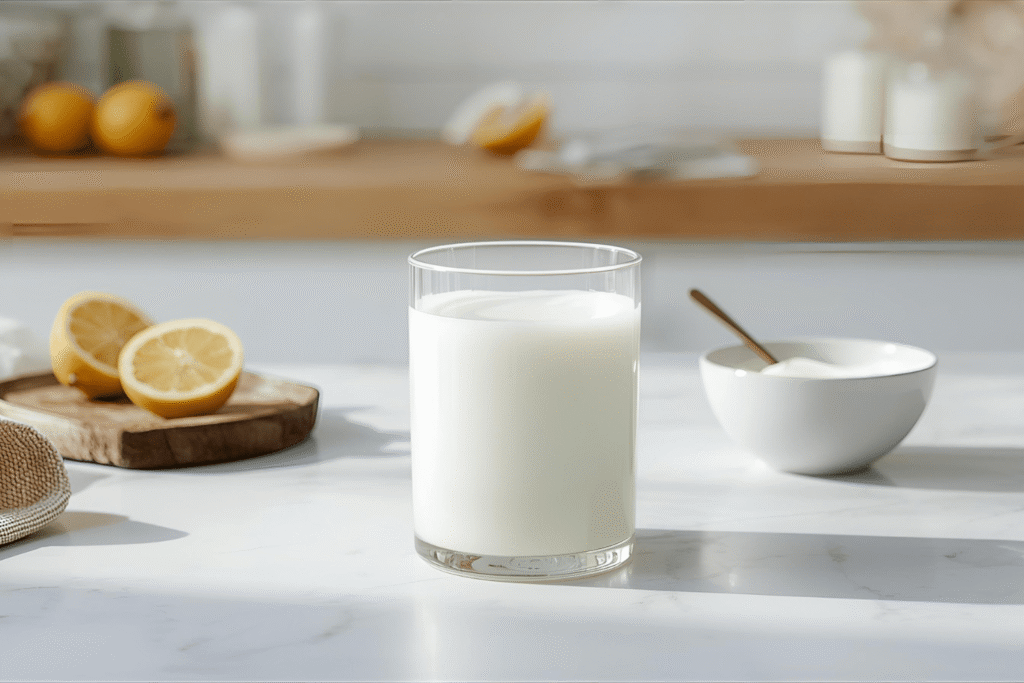
Traditional buttermilk used to be the tangy liquid left over after churning butter, but modern store bought buttermilk is cultured. Friendly bacteria are added to milk to create a thicker texture and signature tang that transforms baked goods.
Its acidity reacts with baking soda to create lift, which is why buttermilk pancakes feel fluffy instead of dense.
Buttermilk adds tenderness, moisture, and a subtle tang without adding many calories. One cup contains around 98 calories, yet the creamy taste feels richer. Its acidity helps weaken gluten strands, which results in softer textures.
Why you often need a substitute for buttermilk
Most people do not keep buttermilk in the fridge, so when a recipe suddenly calls for it, it can cause a mini panic.
More than 70 percent of home cooks search for ingredient substitutes at least once a week, which shows how often this happens. Thankfully, homemade substitutes work extremely well because they mimic the same acidity and thickness.
The best substitute for buttermilk how to make
Below are the top substitutes ranked by taste, reliability, and how well they perform in baking. Each one brings its own strengths, so choosing the right option depends on what you are making and the ingredients you already have at home.
The classic milk and vinegar method
This is the most popular substitute because it takes 1 minute to prepare and uses ingredients nearly everyone keeps in their kitchen. It is also the closest match to store bought buttermilk in both acidity and texture, which is why so many bakers trust it.
How to make:
1 cup milk + 1 tablespoon white vinegar.
Let sit for 5 to 10 minutes until it looks slightly curdled and feels a bit thicker.
The acid lowers the pH of the milk, which helps baked goods rise properly and creates that soft, tender crumb buttermilk is known for.
Pro Tip: Whole or 2 percent milk gives the closest texture to real buttermilk because the extra fat adds richness and improves browning.
The lemon juice method
Lemon juice creates a slightly brighter flavor and is perfect when you want a fresh, zesty undertone in your baking. It works exactly like vinegar but adds a light citrus aroma that pairs beautifully with fruity or summery recipes.
How to make:
1 cup milk + 1 tablespoon lemon juice.
Let sit for 5 minutes.
This method shines in lemon desserts, blueberry muffins, berry cakes, and any recipe where a touch of natural brightness enhances the overall flavor. It also works well in pancakes if you enjoy a subtle hint of lemon.
The yogurt and water method
Yogurt has natural tanginess and thickness that closely mimic cultured buttermilk. Since yogurt is fermented, it adds depth of flavor and provides moisture that keeps baked goods tender for longer. This is why many professional bakers actually prefer this substitute over traditional buttermilk.
How to make:
1 cup plain yogurt + 2 to 4 tablespoons water to thin it to a pourable consistency.
This method produces exceptionally moist cakes, banana breads, and quick breads. It is also amazing in marinades because the probiotics and mild acidity help tenderize meat gently.
Pro Tip: Greek yogurt works just as well, but it is thicker, so add a splash more water until it resembles buttermilk in texture.
The sour cream method
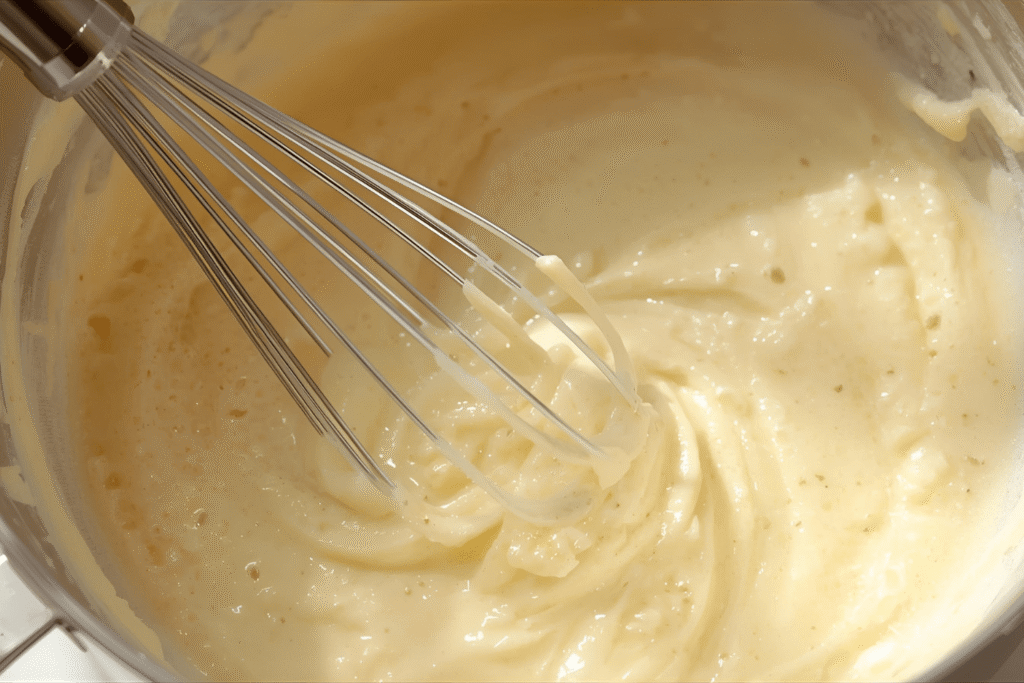
Sour cream gives your baked goods a rich, decadent texture because it has a slightly higher fat content than yogurt. It adds tanginess without being overpowering and creates a velvety crumb that works beautifully in pastries.
How to make:
1 cup sour cream + 2 to 3 tablespoons water.
This mixture is ideal for biscuits, scones, and thick batters that need structure but still require moisture. If you love extra flaky pastries, this method will quickly become your favorite.
The cream of tartar method
Cream of tartar is a powerhouse pantry ingredient that often gets overlooked. It provides acidity without adding any flavor, which makes it a great option for recipes where you do not want to alter the taste or aromatics.
How to make:
1 cup milk + 1 and 3/4 teaspoons cream of tartar.
Stir until dissolved.
Choose this method when you want a completely neutral flavor, especially in delicate cakes or recipes that rely on precise taste balance.
The plant based buttermilk alternative
Dairy free baking still works incredibly well with the right plant milk. The key is choosing a milk that reacts properly with acids so it thickens and curdles the way dairy does. Soy milk performs the best because it has a higher protein content, which means it behaves much more like traditional milk when mixed with vinegar or lemon juice.
How to make:
1 cup soy, oat, or almond milk + 1 tablespoon vinegar or lemon juice.
Soy milk typically produces the most reliable results for pancakes, cakes, and quick breads. Oat milk also works well because it has a naturally creamy texture, while almond milk creates a lighter consistency.
Pro Tip: Always choose unsweetened, unflavored plant milk so your recipe’s sweetness and flavor stay balanced.
Which substitute is best for baking
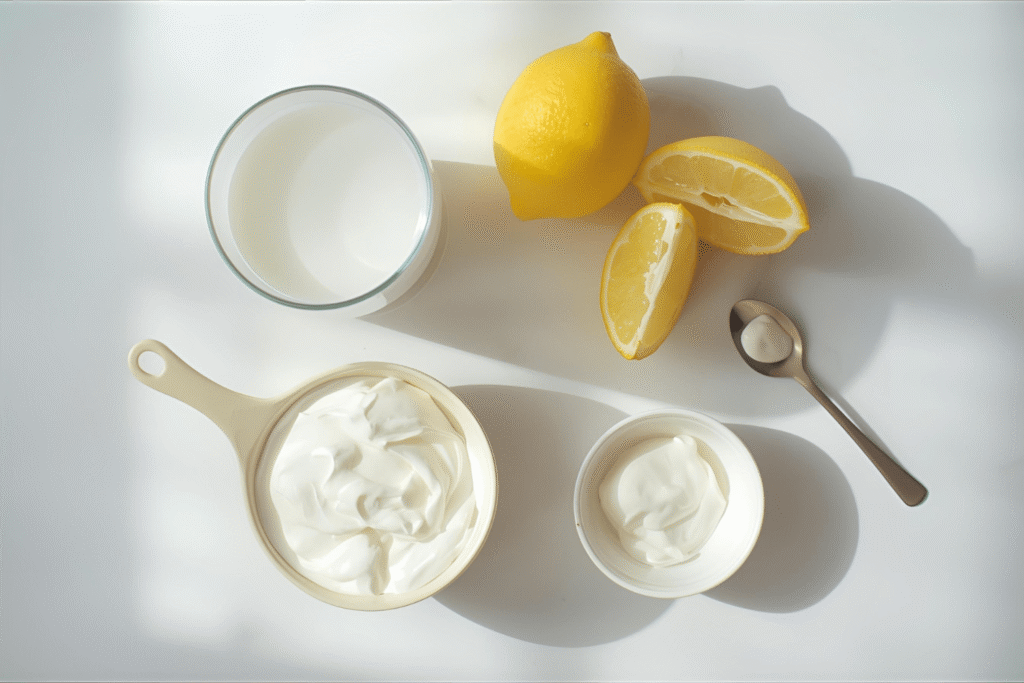
Every option works, but some are better suited for certain recipes.
Pancakes
Milk and vinegar works best because it activates baking soda properly.
Yogurt also creates thick, fluffy pancakes if you prefer height.
Cakes
Yogurt and water is ideal for cakes because it adds moisture without thinning the batter too much. Sour cream works well for richer, denser cakes.
Biscuits and scones
Sour cream wins here. Its fat content helps create tender, flaky layers.
Milk and vinegar is a lighter alternative that still rises well.
Fried chicken
Yogurt is the best buttermilk substitute for marinating chicken.
Fermented dairy increases tenderness and studies show it can reduce cooking time by up to 10 percent because of improved moisture absorption.
Quick comparison chart
Here is a simple breakdown to help you choose the right method fast.
Milk + vinegar
Best for: pancakes, muffins, quick breads
Texture: light and fluffy
Milk + lemon juice
Best for: citrus based recipes
Texture: airy
Yogurt + water
Best for: cakes and fried chicken
Texture: creamy
Sour cream + water
Best for: biscuits and scones
Texture: rich and tender
Plant milk + acid
Best for: dairy free baking
Texture: light
Pro tips for using buttermilk substitutes
Small adjustments help achieve perfect results.
Pro Tip: Always let your mixture rest for at least 5 minutes so it can thicken and curdle slightly.
Pro Tip: If your batter becomes too thick, add milk one tablespoon at a time until smooth.
Pro Tip: Avoid overmixing when using yogurt or sour cream to prevent tough textures.
Pro Tip: A small splash of vanilla can balance acidity in cakes and muffins.
Common mistakes to avoid
Here are the most frequent issues people run into when making buttermilk substitutes. A few small tweaks can make a big difference in your final results.
Using flavored yogurt
It alters sweetness and adds artificial flavors that can compete with the rest of your ingredients. Stick to plain, unsweetened yogurt for the most consistent outcome.
Skipping the resting time
Letting the mixture sit for a few minutes is essential. This short rest allows the acid to react with the milk, which improves rise and gives your baked goods a softer texture.
Adding too much acid
Using more vinegar or lemon juice might seem like it would strengthen the substitute, but it usually leads to an overly tangy flavor that can overpower delicate recipes.
Using sweetened plant milk
Sweetened plant milks shift the flavor balance and can make baked goods brown too quickly. Always choose unsweetened options so your recipe stays predictable.
FAQs
Yes. Apple cider vinegar works well and has a softer flavor, although white vinegar is more consistent.
Both are great. Vinegar is neutral, while lemon adds a bright flavor.
Yes. You can freeze them for up to 3 months. They may separate slightly but work perfectly in baking.
Soy milk with vinegar produces the closest result to real buttermilk.
Yes. Studies show acidic liquids can boost rise and tenderness by up to 15 percent.
Final thoughts
Knowing the right substitute for buttermilk how to make gives you so much more freedom in the kitchen. Instead of stopping a recipe because you forgot one ingredient, you can confidently mix up a quick substitute and keep going. Once you understand how acidity affects texture and rise, choosing the right method becomes simple and almost automatic.
Each option has its own benefits, which means you can match the substitute to the recipe you are making. Milk and vinegar keeps things light. Yogurt brings extra moisture. Sour cream adds richness. Plant based options make baking more inclusive without losing flavor. Having these choices makes your cooking feel flexible instead of restricted.
Try a couple of substitutes and pay attention to how they change your results. After a few tries, you will naturally develop a favorite method that becomes your go to. With these simple techniques, you will never panic about missing buttermilk again and you can bake with confidence any time.